
The Eternal Coin, Part 6 – The Tyrant’s Clerk
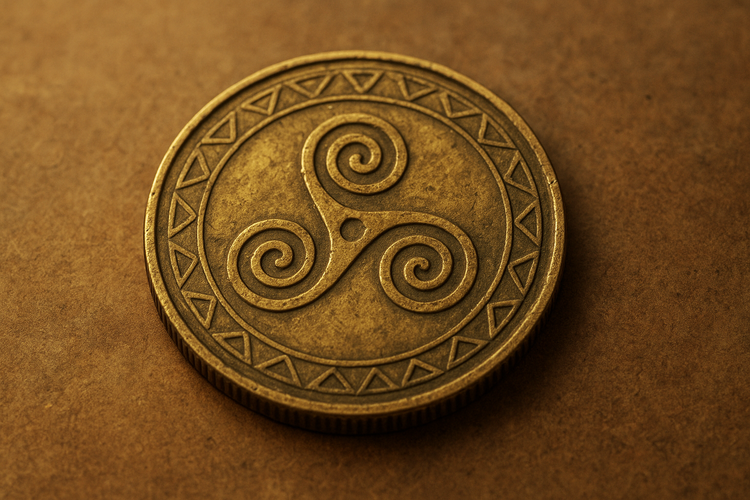
Baseline theme to the story
It appears ordinary. But in its metal pulse lies a power that defies time. Those who touch it vanish from their world, thrown into lives they never lived, eras they never knew, and fates they cannot escape.
Through blood and fire, love and betrayal, the coin watches, judges, and moves on—unceasing, eternal, unstoppable.
Who will hold it next… and what will they become?
Ceaușescu Era, 1970s → Medieval Dungeon
In the grey, suffocating corridors of Bucharest’s Communist bureaucracy, Ion Dănescu shuffled papers with a characteristic indifference. The coin lay in his desk drawer, unnoticed among envelopes with bribes and petty embezzlements, a small, cold weight that gleamed like a promise. Rumour whispered of its origin, but Ion cared only for its potential - privilege, power, the quiet thrill of bending men to his will.
That evening, after another day of flattering nods and forged signatures, Ion returned to his apartment on Unirii Boulevard. He held the coin in his palm, admiring its intricate carvings, and felt a strange warmth seep into his fingers. Then the air thickened, the room dissolved, and he fell through a darkness that had no floor.
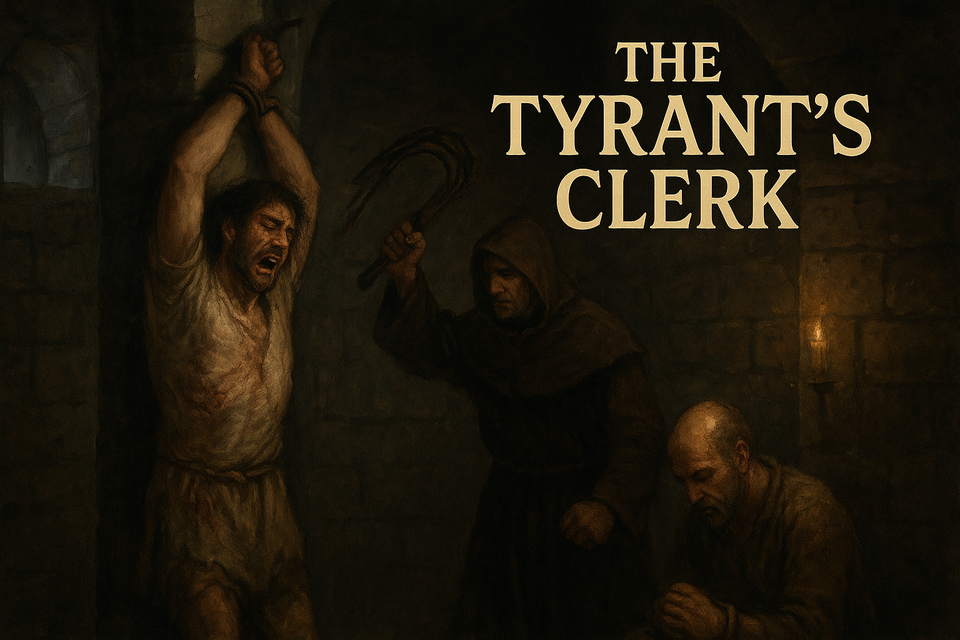
He awoke in the stench of wet stone and burning torches. Iron shackles lined the walls, and groans echoed in the cold, cavernous halls. A hooded guard shoved a parchment into his hands. He was no longer a clerk; he was an inquisitor in a medieval dungeon, centuries before he had even been born.
At first, a rush of power surged through him. Prisoners trembled at his command, their groans and pleading a symphony to his arrogance. He twisted, pulled, and prodded with cold precision, relishing the fear he inspired. For hours—or days, time blurred—he inflicted torment, convinced of the righteousness of his authority.
Then, without warning, the tables turned. Shackles latched onto his wrists and ankles. A hood was drawn over his head. Whips cracked against his back; each lash tore more than skin, splitting pride, shattering bone, and crushing the soul. The dungeon he had ruled became his tomb, the screams he had commanded now his own. Pain consumed him utterly, a fury of agony that no bribe, no influence, could ever shield him from.
When he died, it was a death unrecorded by history books, centuries before his time, yet absolute. His cries echoed into the stone and faded, leaving only silence.
A humble servant, a girl with a mop, entered the dungeon at first light. She moved among the broken and the dead, mopping blood and remnants of suffering. On the cold floor, her eyes caught the glint of a small, seemingly ancient coin. She picked it up, feeling its cold weight, and quickly tucked it into her apron pocket, unaware that the cycle of the eternal coin was destined to continue.




Member discussion