
The Eternal Coin, Part 8, Patients' Revenge
Romania, 1984.
Dr Nicolae Ionescu wore his white coat like armour. To the outside world, he was respected, a state hospital doctor with decades of experience. But behind closed doors, his care had a price. Five hundred lei for attention. One thousand for surgery scheduled sooner. Two thousand five hundred for a complication that should never have been neglected.
Those who could not pay waited. And often, they suffered.
Many were old. Former factory workers with ruined lungs, farm labourers with twisted joints, men and women whose bodies had been spent building a country that had long since forgotten them. Their pensions were small, barely enough for food and heat. When they handed over folded banknotes with shaking hands, Nicolae barely looked at them. When they could not, he looked through them.
One afternoon, an elderly woman collapsed in the corridor. Her son pleaded, explaining they had nothing left—no savings, no relatives abroad, only her pension. Nicolae waved them away. There were others waiting. Others who paid.
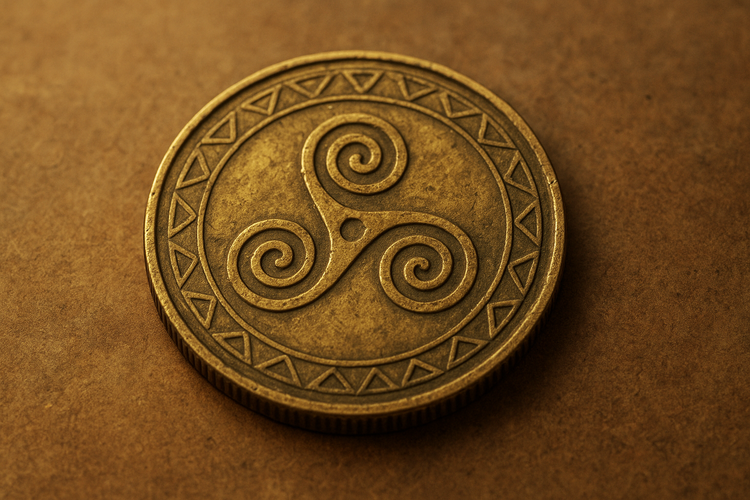
That evening, as Nicolae locked his office drawer heavy with envelopes, he noticed a coin resting among the money. It was small, the size of a fifty-cent euro, dull at first glance, yet oddly warm. He assumed a patient had left it behind. He pocketed it without thought.
That night in bed, sleep came. And with it, judgment.
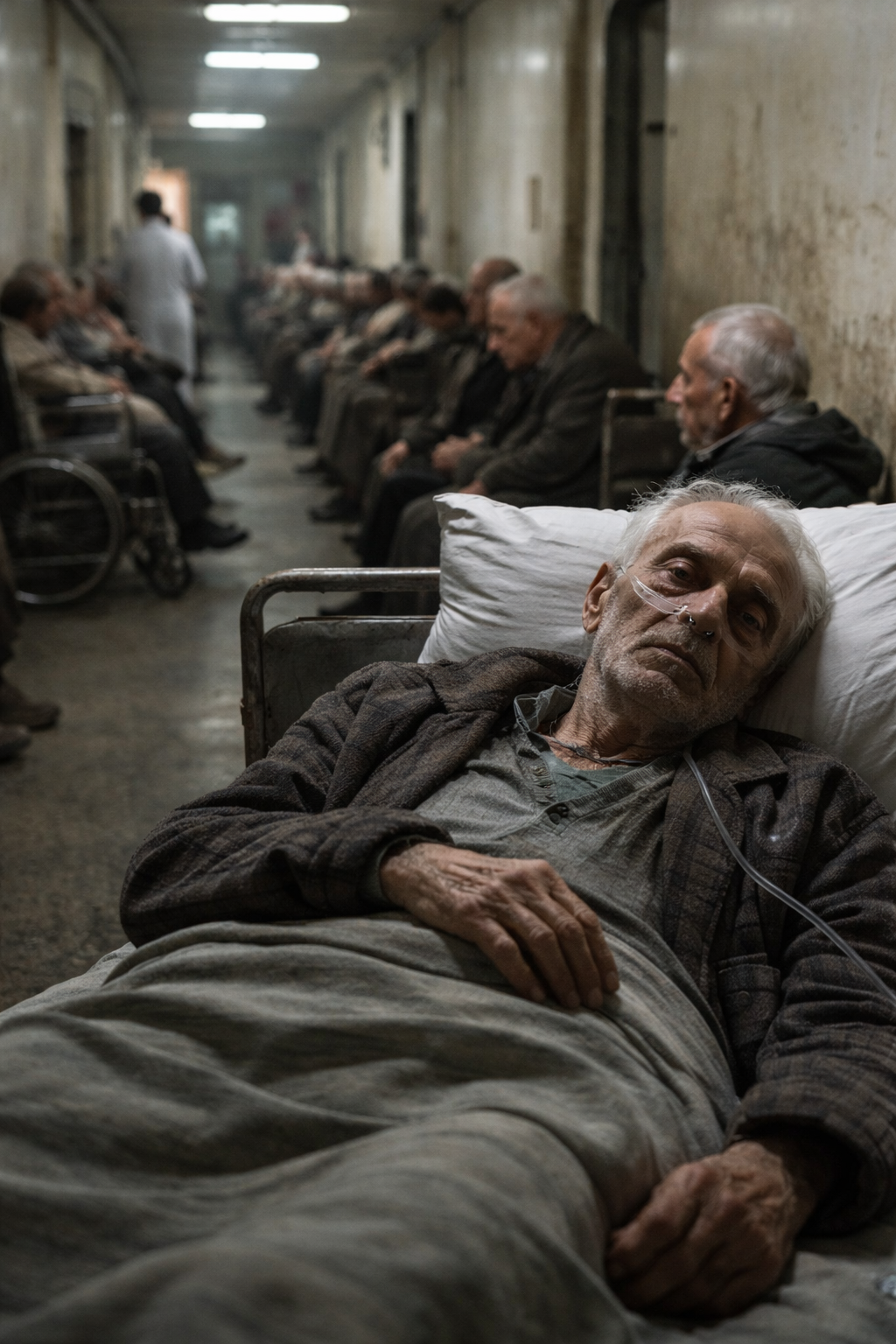
He awoke gasping, not in his bed, but in a narrow hospital ward, the air thick with disinfectant and despair. The year was 2052. His body felt wrong: weaker, heavier, unfamiliar. When he tried to speak, his voice trembled. When he looked at his hands, they were aged, spotted, swollen with arthritis.
He was no longer the doctor. He was the patient.
His name was different now. His life had been spent in factories and fields, hands cracked by labour, spine bent by years of work. His pension barely covered food. His heart was failing. He needed care.
And care had a price.
Doctors passed his bed without stopping. Nurses avoided his eyes and barked at him when they did look his way. Forms piled up. Appointments were delayed. The hospital was overrun with Sars COVID 8 cases. Each hint from the staff, each pause, each silence carried the same unspoken message he had once delivered so easily: there are ways to make this go faster. But he had nothing to give.
Days turned into weeks. Pain became constant. Fear grew sharp and intimate. He watched wealthier patients receive treatment, heard whispered negotiations in corridors, and felt his dignity erode with every ignored plea. For the first time in his life, Nicolae truly listened—to the sounds of suffering, to the quiet humiliation of waiting, to the slow realisation that a lifetime of work could still end in abandonment. And worse, he knew soon, he would meet his Maker and atone for his deeds.
Only then did he understand.
The coin had not punished him with cruelty. It had taught him with precision. It had adopted the weight of his choices and made him carry them in his own failing body.
One night, as his breath steadied and his anger faded, he helped the man in the next bed sit upright. He shared his bread. He listened. It was small, almost meaningless, and yet the room felt lighter. And he determined he would devote his life, what remained anyway, to God and the service of others, however small the acts would be.
The coin pulsed faintly beneath his pyjama pocket.
Somewhere beyond time, the balance shifted once more. The coin was patient. It always was.
Who would hold it next…
And what would they become?

Member discussion