
After I'm Gone
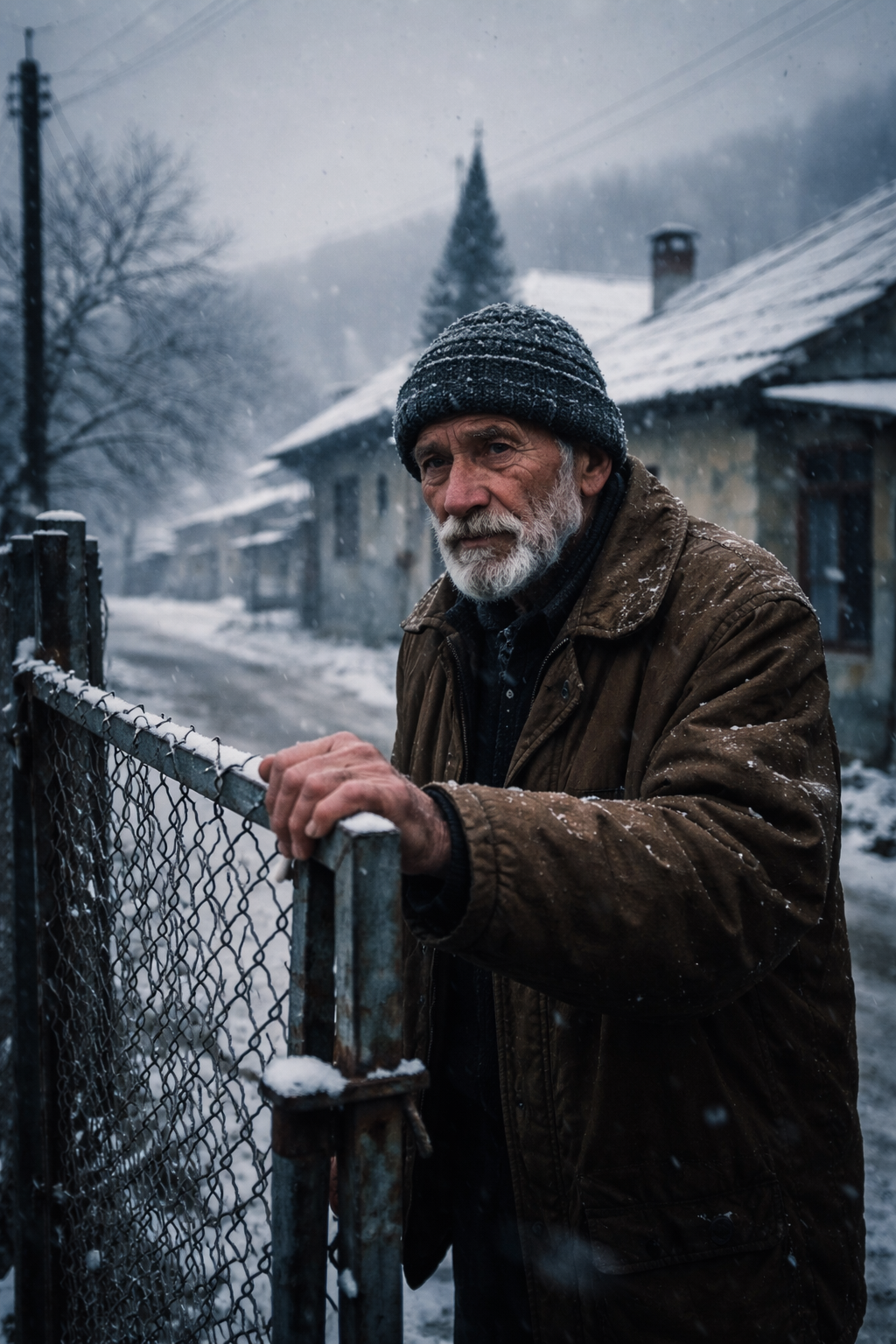
After his wife left for Italy and his daughter ran away to Spain, he lived in silence and regret, wrestling with strictness, pride, and unspoken love. Facing pancreatic cancer in his seventies, he reflects on a lifetime of mistakes, longing, and the hope that, even at the very end, his family might understand the depth of his love.
If you are reading this, then I am either already gone, or very close to it.
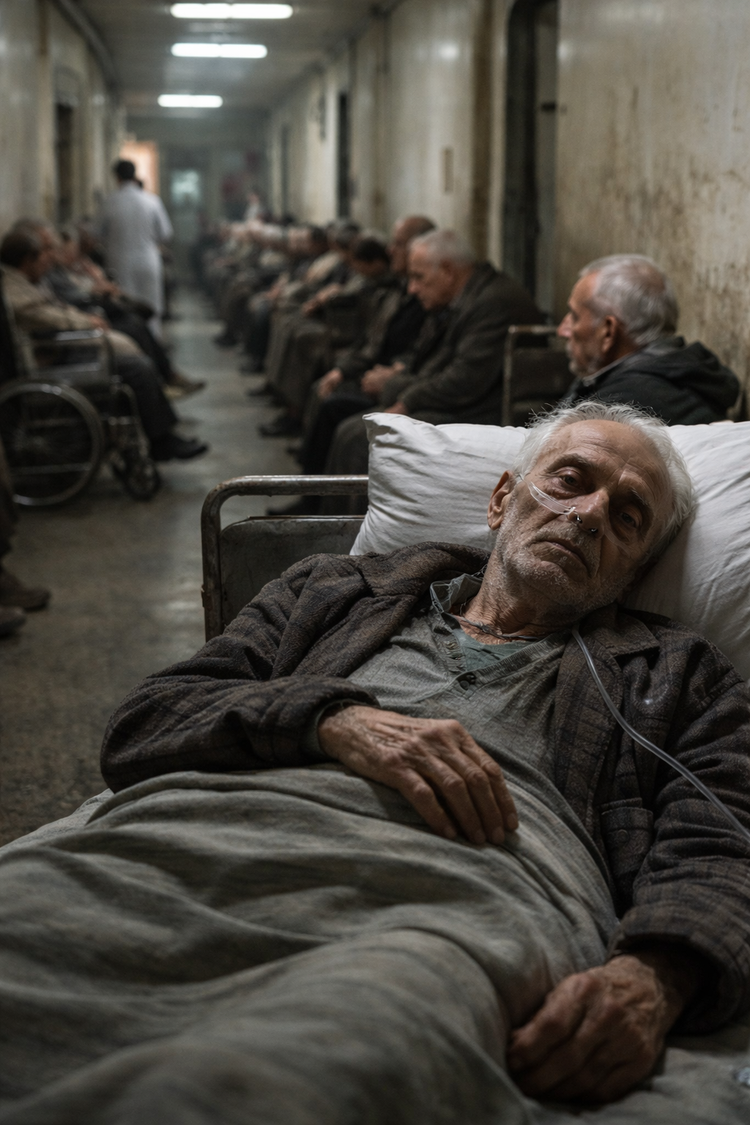
The doctor in Suceava didn't look at me when he said the word pancreatic. He stared instead at the desk, as if the document was easier to face than an old mechanic from Radauti with oil still in the lines of his hands. I nodded like I understood car parts better than bodies. When a gearbox fails, you hear it coming. When a bearing goes, you feel the vibration first. This came silently. I am seventy-eight years old. I have fixed tractors older than my marriage. I have welded the chassis of Dacias that should have gone to the scrapyard many years ago. My garage smells of diesel, burnt clutch dust, and cold steel. The floor is always damp in winter. The radio hasn’t worked properly since 1998, but I never threw it away.
Things deserve loyalty. I believed people did too. My wife Carmen left in 2007 to Italy. That is what everyone said back then — Italia. It rolled off the tongue like a promotion. She said it was just for a year. Just to earn something better than what my side street garage could bring. I watched her pack two suitcases. She left her blue mug in the cupboard. She left her towel hanging in the bathroom. Her coat hook in the hallway has been empty for nineteen years and will remain so.
I never moved her things. The chair at the kitchen table where she used to sit — I kept that empty too. Even when I drank too much and shouted at the walls, I never sat in her place. Camelia was five. She stood at the gate when her mother left, holding the fence wire with both hands, as if she could keep her from walking away. I remember thinking she would forget the sound of her mother’s voice. I thought I had to become strong enough for both of us. I did not know my strength could look like cruelty to my child. I was strict. Yes. Impatient. Yes. But I love her like a man who has already lost too much. I worked too much. I drank too much. I thought discipline would build a future she wouldn’t need to escape from. I confused fear with protection. The winters of course, in Radauti are not kind. The cold comes sideways, through the bones. The church bells from Bogdana Monastery echo through the fog like something ancient and judging. I would come home smelling of petrol and cheap plum brandy. My daughter Cami, would be doing homework at the kitchen table. Sometimes I corrected her grammar before I told her I was proud. Sometimes I never said it at all. By nineteen she had grown quiet. Too quiet. I thought quiet meant obedient. I didn’t see it meant leaving.
The argument was about a boyfriend. And about drinking. And about her wanting to “do something creative,” words that sounded to me like unemployment. I remember slamming my hand on the table. I remember telling her that as long as she lived under my roof, she would live by my rules. The next morning she was gone. No note. The local barman told me she had been talking for weeks about Spain. Valencia. Her classmates had gone. Eurolines from Suceava. Easy language to learn, easy work, easy escape.
She left overnight. For five years now there has been silence. Silence is heavier than grief. Grief at least has weight you can measure. Silence stretches. I do not use the internet. I do not know how to search for her. All I know from the father of one of her local friends here in Radauti, is she doesn't want to hear my name. They probably believe I abused her in some way if their behaviour toward me is any clue. Maybe she changed her name. Maybe she tells people she has no parents. Maybe she believes that. I cannot blame her. When Carmen left, something in me hardened. I turned to drink instead of prayer. I kept the house like a museum of absence. The mug. The towel. The empty chair. I told myself they were happy somewhere. I told myself I had done my best. But love that is never spoken becomes suspicion in a child’s heart.
In Valencia, I imagine the air smells of salt and oranges instead of diesel and snow. I imagine her carrying plates in some restaurant near the sea, smiling in a language that is not her own. I imagine men looking at her. I try not to imagine what kind of work she might have done when money was short. That thought burns worse than the cancer. Does she still braid her hair when she is nervous? Does she still bite the inside of her cheek when she is holding back tears? I do not know the woman she became. That is my punishment.
After I stopped drinking, I found God. Or maybe He found me when there was nothing else left. I stand in the Church now with hands that once held wrenches and bottles, and I light candles for both my girls. The wax drips slowly, like time melting. I ask forgiveness for anger. For pride. For confusing authority with love. I never knew how to apologise. My dad never apologized to me either. We inherited silence like land. The pain in my stomach wakes me before dawn now. The house creaks in winter like it is remembering too. I sit looking at Carmen’s chair sometimes. I touch her mug. I talk out loud to no one.
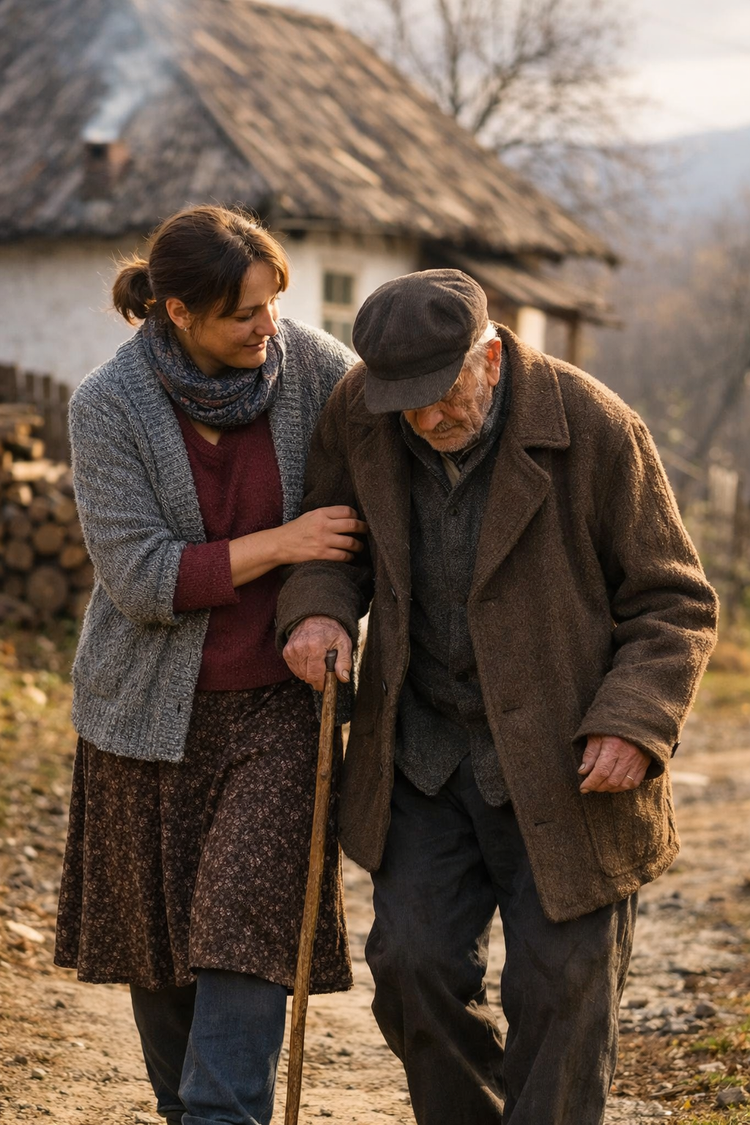
I imagine Cami walking through the gate again. The metal latch still sticks in the same place. If she came home, I would not speak about boyfriends. Or careers. Or rules. I would say only this: I loved you poorly, but I loved you completely. If she arrives after I pass away, I hope she does not see only the strict man, the drunk mechanic, the father who shouted. I hope she sees the nights I stayed awake worrying. The calloused hands that built her school desk. The man who kept her mother’s towel hanging for nineteen years because he could not bear another disappearance. Five years of silence is a lifetime. If you are reading this and your daughter is still within reach — call her. If you are reading this and your father still breathes — go home. Do not wait for cancer to make you gentle. Do not mistake strictness for absence of love. In the garage, the old engines still sit on shelves, parts labelled in my handwriting.
I used to believe everything could be repaired if you caught it early enough. Tighten a bolt. Replace a seal. Change the oil. Some things seize quietly. The snow is falling outside now. The bells are ringing again. I do not know if I will see another spring in Bucovina. I do not know if I deserve one. But if God is merciful, perhaps He will let her arrive. Even if it is too late. And if she stands in this house and sees the untouched mug, the empty hook, the preserved chair — maybe she will understand that love was always here. Just spoken in the wrong language.

Member discussion